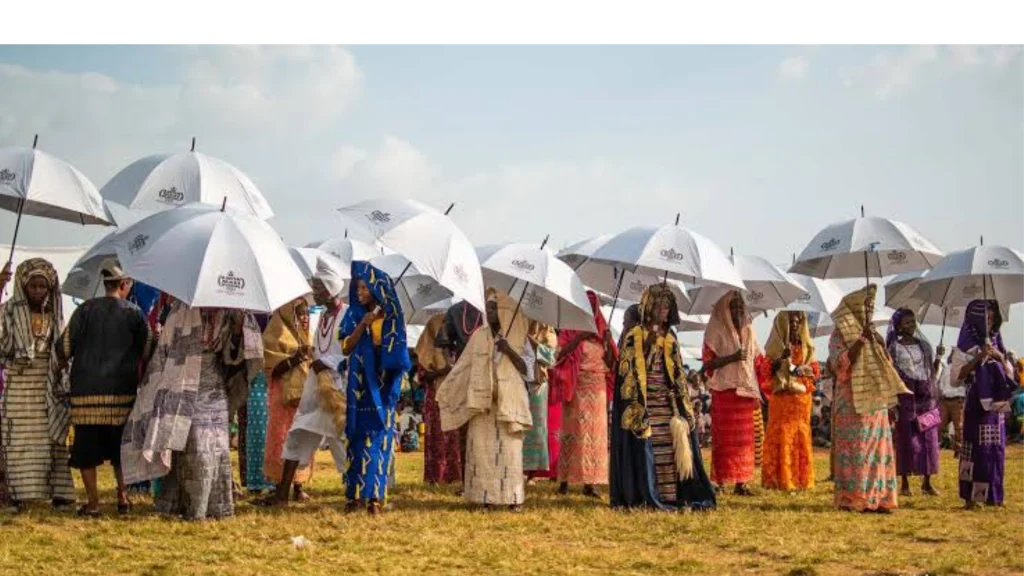
Nigeria’s capital, Abuja, will host the inaugural Afrocentric Cultural Expo from 7 to 18 November, bringing together artists, filmmakers, designers and entrepreneurs to showcase African culture and explore opportunities in the global creative economy.
The event, organised by the Nigerian Chamber of Commerce-USA (NICOCUSA) in partnership with the Federal Ministry of Arts, Culture, Tourism and the Creative Economy, will feature film screenings, fashion shows, music, dance, food exhibitions and business discussions.
Activities are planned across several venues in Abuja, with the Moshood Abiola National Stadium Complex serving as a principal location.
Organisers hope the expo will strengthen cultural and commercial ties between Africa and its diaspora, while providing opportunities for emerging creative talent to reach international audiences.
From heritage to creative enterprise
The programme includes a film festival, an African fashion week, traditional and contemporary dance performances, a cultural carnival and exhibitions celebrating African cuisine.
A business summit will also bring together entrepreneurs, investors and industry representatives to explore partnerships in sectors including tourism, entertainment and technology.
Gregory Uche Ihenacho, founder and chief executive of NICOCUSA, said at an earlier media briefing in Abuja that the expo was intended to connect African creative talent with international markets.
“Time has come for Africa to tell its own story, build its own economy, and reap the full economic rewards of its greatness,” he said.
Organisers have cited FESTAC ’77, the landmark celebration of Black and African arts and culture held in Lagos in 1977, as an inspiration for the event.
Unlike the historic festival, the Abuja expo will place particular emphasis on the economic potential of cultural industries, alongside performances and artistic exchange.
Ihenacho said the organisers had revised their initial plans to reduce costs, replacing some proposed international delegations with greater involvement from Nigerian universities and creative academies.
The approach is intended to identify emerging filmmakers, performers and other creative professionals who could benefit from training, industry connections and wider exposure.
Economic expectations
NICOCUSA estimates the expo could generate between $250m and $300m in economic activity through tourism, visitor spending and commercial transactions.
Ihenacho said the potential benefits could extend to hospitality businesses, local entrepreneurs and the wider creative sector.
The event is intended to create opportunities for cultural exchange and business cooperation, although its longer-term economic impact will depend on the participation and partnerships it attracts.