
State expands mini-grid footprint to 54 communities, maps 120 new sites as businesses await improved power supply.
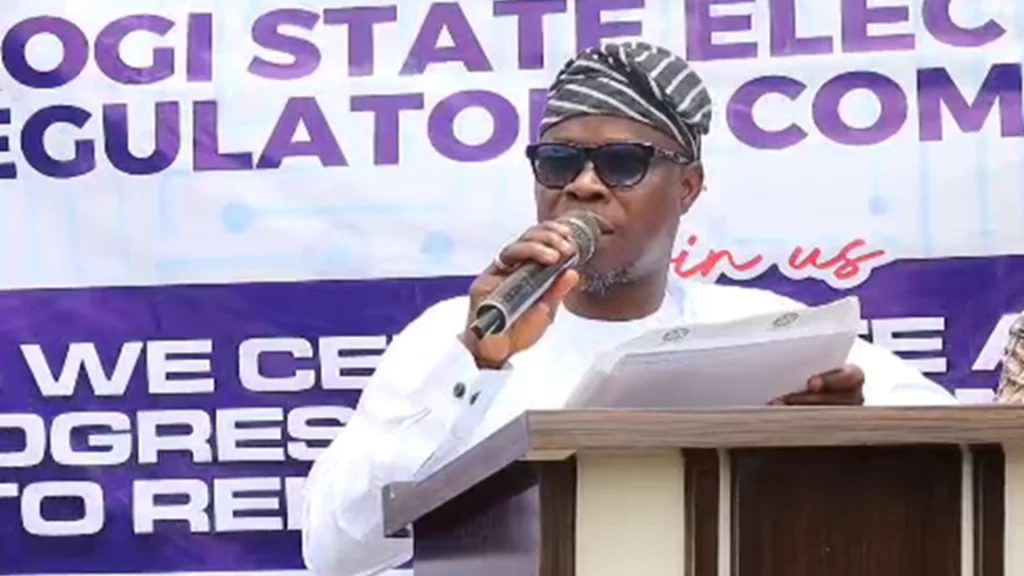
Kogi State is opening its electricity market to both local and foreign investors, as officials announced on Tuesday, 31st March, during the first anniversary of the Kogi State Electricity Regulatory Commission (KERC), emphasizing its increased control over power regulation.
Kogi State Commissioner for Rural and Energy Development, Engr Mohammed Abdulmutalib, who was represented by the Permanent Secretary of the Ministry of Rural and Energy Development, Mr. John Ayekomogbon, said the Commission’s first year has laid a critical foundation for reforming the state’s power sector and improving regulatory oversight.
“Kogi State is committed to driving electricity sector reforms that balance regulation with private sector participation. By establishing a robust framework for mini-grids, renewable integration, and consumer protection, we are creating a market where policy certainty meets real investment opportunities,” he added.
Speaking at the event, the Chairman of KERC, Engr. Ibrahim Abdwaaris said recent developments in Nigeria’s power sector have reinforced the need for decentralised electricity management at the sub-national level.
“Recent outages on the national grid have validated the Federal Government’s decentralization policy… These disruptions have underscored that the path to energy security lies in state-level autonomy,” Abdwaaris said.
He noted that within one year, the Commission has developed key regulatory frameworks and streamlined licensing processes to attract private sector participation, particularly in off-grid and mini-grid electricity projects.
Abdwaaris added that the Commission formally assumed full regulatory oversight of the Kogi State electricity market in March 2025, following a transition period that paved the way for the state to operate an independent electricity market.
He disclosed that there are currently 16 mini-grid operators serving 54 communities across the state, with about 120 additional potential sites already mapped for future development.
The Vice Chairman of the Commission, Engr. Michael Meliga said the state is positioning itself as an investment destination across the electricity value chain, including logistics within the state electricity market.
“Kogi State offers significant investment opportunities across the electricity value chain, including logistics within the state electricity market, and with our streamlined licensing processes and enabling regulatory framework, we are actively creating an environment that attracts local and foreign investors,” Meliga said.
He added that the Commission’s policies are designed to unlock opportunities in power generation, distribution, and renewable energy development, leveraging the state’s natural and economic potential.
He noted that affordable metering solutions present a key investment opportunity, particularly in addressing the persistent metering gap in the state’s electricity market.
According to Abdwaaris, the Commission has also intensified consumer engagement through town hall meetings and multilingual radio programmes, while promoting renewable energy integration to reduce dependence on the national grid.
Some stakeholders, however, called for faster implementation of reforms to ensure that improvements in electricity supply are felt by residents and businesses, particularly in underserved communities.
For local business owners, the impact of unreliable power supply remains a concern despite ongoing reforms.
“We still spend a lot on fuel to run generators because the power supply is not stable yet. We hope these new policies will bring real improvement,” said Musa Ibrahim, a welder in Lokoja.
The anniversary event brought together government officials, power sector operators, and industry stakeholders to review progress and outline priorities for the coming year.




Shaping Multipolar Order: SCO Expands Strategic Role on 25th Anniversary