
Bolé Festival will mark its 10th anniversary later this month with a three-day celebration of food, music and urban culture in Port Harcourt, extending a festival that has grown from a local food gathering into one of the city’s most recognisable annual cultural events.
The 2026 edition, branded “Bolé Festival X —A Decade of Fire,” is scheduled to run from August 28 to 30 at Yakubu Gowon Stadium in Port Harcourt, according to the festival’s official programme.
Organisers say the anniversary edition will bring together food vendors, musicians, performers and festival-goers around one of Port Harcourt’s most familiar street foods — bolé, roasted plantain commonly served with grilled fish and pepper sauce.
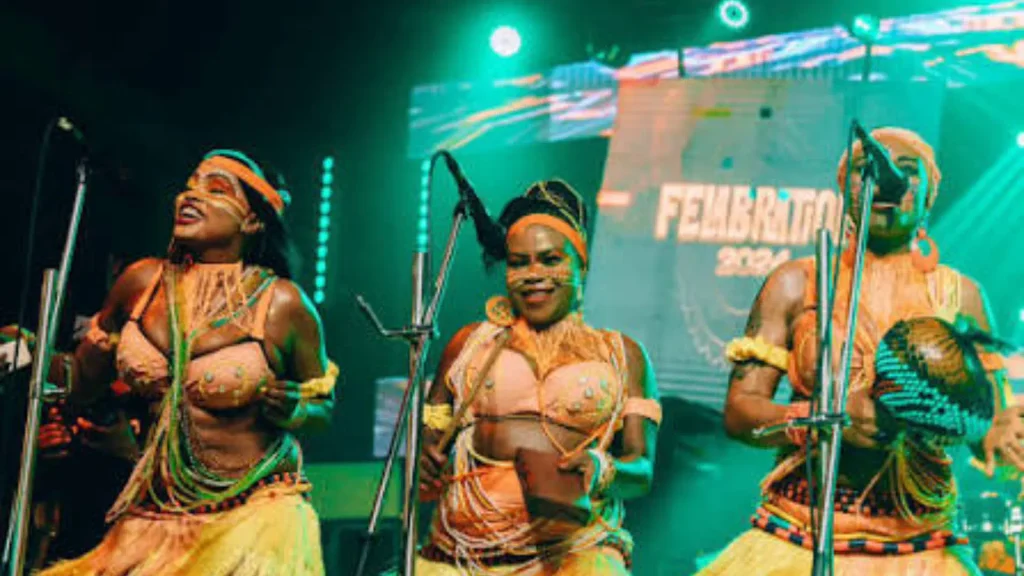
The festival began in 2016 and has since developed into a broader food and entertainment event incorporating live performances, culinary vendors, games, fashion and social activities. Its organisers describe the gathering as a platform built around food, culture and community.
Bolé itself has become closely associated with everyday food culture in Port Harcourt. The dish typically centres on plantain roasted over an open flame and is frequently paired with grilled fish, yam or potatoes and a spicy pepper sauce.
At the festival, that everyday street-food tradition becomes the centre of a larger public gathering, with vendors serving different interpretations of grilled foods alongside music and other cultural programming.
The 2026 programme is expected to feature food stalls, live performances, games, commercial exhibitions and designated family activities. Organisers have also opened applications for vendors and performers as preparations continue for the anniversary edition.
The festival’s growth over the past decade also reflects the increasing role of food-based events in Nigeria’s creative and visitor economy.
Coverage of the 2025 edition by Nigerian media described the festival as attracting food vendors, visitors and commercial partners to Port Harcourt, while also providing a platform for businesses operating in food, entertainment and related sectors.
The Guardian reported that the 2025 edition was the festival’s ninth and was held at Yakubu Gowon Stadium, confirming the continuity of the annual event ahead of this year’s milestone celebration.
Over time, corporate brands have also used the gathering for product activations and consumer engagement. Nigerian Breweries, for example, documented its participation in an earlier edition, describing the event as combining food, entertainment and community interaction.
The cultural significance of Bolé Festival lies partly in the way it places a familiar form of everyday food at the centre of a large contemporary event.
Unlike festivals built primarily around royal ceremonies, religious observances or historical commemorations, Bolé Festival reflects a more recent form of urban cultural expression. Food, popular music, entrepreneurship and social interaction form the main elements of the experience.
Its location in Port Harcourt also gives the festival a distinctly Niger Delta identity. The Rivers State capital has long served as one of southern Nigeria’s major commercial and cultural centres, drawing residents from different communities across the region.
Food events have increasingly become part of the city’s public cultural calendar, providing opportunities for small businesses, chefs and independent vendors to reach wider audiences.
For its anniversary edition, organisers are emphasising the festival’s decade-long development while retaining bolé and grilled food as its central identity.
The event comes during a busy period for Nigeria’s cultural calendar. Later in August, festivals and creative-industry programmes are also scheduled in Lagos, Abuja, Umuahia and Owo, covering film, technology, traditional heritage and contemporary arts.
With its tenth edition approaching, Bolé Festival illustrates how an everyday local food tradition can develop into a recurring urban cultural event combining cuisine, entertainment and small-business participation.

Shaping Multipolar Order: SCO Expands Strategic Role on 25th Anniversary