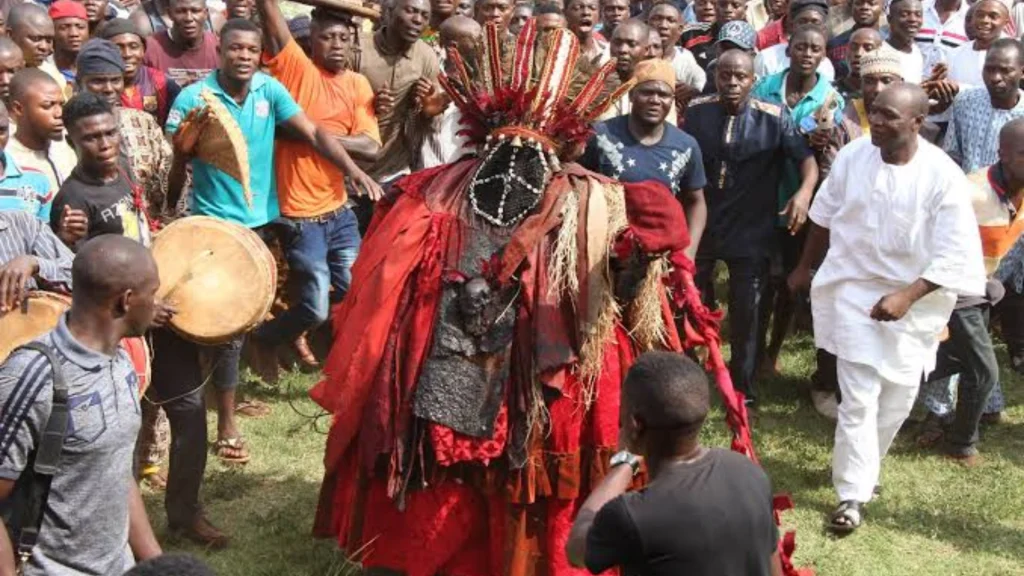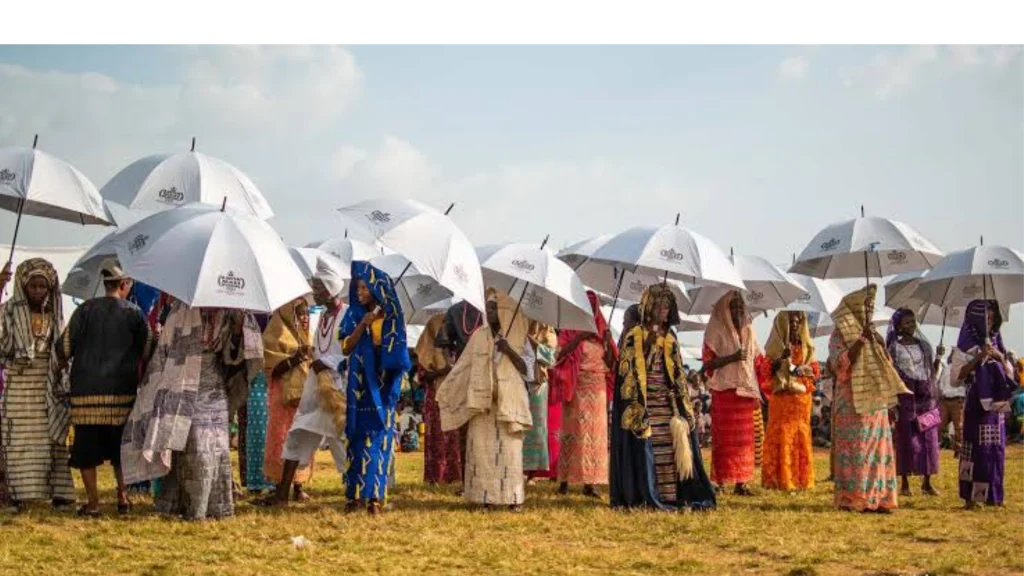
The steady rhythm of talking drums echoed across the Palace Square as colourful masquerades danced before cheering crowds in Arigidi-Akoko, Ondo State. Held from 21 to 24 July, this year’s Okota Festival brought together visitors from across Nigeria for the centuries-old celebration, which is increasingly being recognised not only as a cultural event but also as a driver of tourism and local economic development.
For the people of Arigidi-Akoko, the annual festival is far more than a public celebration. It is a living tradition that preserves the community’s history, identity and ancestral values while introducing younger generations and visitors alike to the rich cultural heritage of the Akoko Kingdom.
The celebration unfolded through a series of traditional rites before culminating in the main ceremony, where community leaders, traditional rulers, performers and artisans came together in a colourful display of customs that have shaped the town for generations.
According to local tradition, the festival originated from the community’s reverence for the Okota River, long regarded as a symbol of protection, unity and shared heritage. What began as a sacred observance has gradually evolved into one of Ondo State’s most prominent cultural festivals, attracting visitors while keeping ancient traditions alive.
Speaking to VIP News on July 25, the Aare Ona Kakanfo of Yorubaland and founder of the Olokun Festival Foundation, Iba Gani Adams, described Nigeria’s cultural heritage as one of the country’s greatest yet underutilised assets. He urged governments to place cultural tourism at the centre of their economic development strategies.
“Cultural festivals are among Nigeria’s greatest assets,” Adams said. “Beyond preserving our traditions, they create jobs, attract visitors and contribute significantly to economic growth when they receive the right support.”
He said stronger collaboration among governments, traditional institutions and private investors would enable festivals such as Okota to develop into internationally recognised tourism products capable of generating sustainable economic opportunities for host communities.
The traditional ruler of Arigidi-Akoko, Oba Yisa Olanipekun, described the festival as an enduring symbol of the community’s history and identity. He commended organisers for preserving the tradition over the years and encouraged younger generations to remain proud of their cultural heritage.
For many visitors, however, the festival was not only about colourful performances.
Olajide Bello, a Tourism and Hospitality Management student at the Federal Polytechnic, Kaduna, said attending the festival transformed what he had previously learned in the classroom into a real-life experience.
“I’ve studied cultural tourism in school, but experiencing the festival myself brought those lessons to life,” Bello said. “Watching visitors travel from different places to witness our traditions reminded me that our culture is one of our greatest tourism assets.”
The economic benefits were equally visible throughout the town.
Bosun Ajala, a souvenir trader, said business improved significantly during the festival as visitors purchased locally made beads, carvings and other handicrafts.
“Festivals like this create opportunities for local traders because more visitors mean more customers,” he said.
Officials from the Ondo State Ministry of Culture and Tourism also view the festival as an important tool for preserving culture while supporting community development.
“Our cultural festivals tell the story of who we are,” said Justina Oloyede of the ministry. “The Okota Festival protects our heritage, strengthens local businesses and introduces visitors to the traditions of our communities. With sustained investment, improved infrastructure and stronger promotion, it can become an even more important driver of tourism and economic development.”
Despite its growing popularity, stakeholders acknowledge that cultural tourism across Nigeria still faces significant challenges, including limited funding, inadequate infrastructure and insufficient promotion. Addressing these issues, they say, would allow heritage festivals such as Okota to realise their full tourism potential while creating sustainable livelihoods for local communities.
As evening fell and the final drumbeats faded across the palace square, families lingered to exchange greetings while visitors slowly began their journeys home. The celebrations had ended, but the message of the festival remained unmistakable: for Arigidi-Akoko, preserving culture is not simply about honouring the past—it is an investment in the community’s future.