
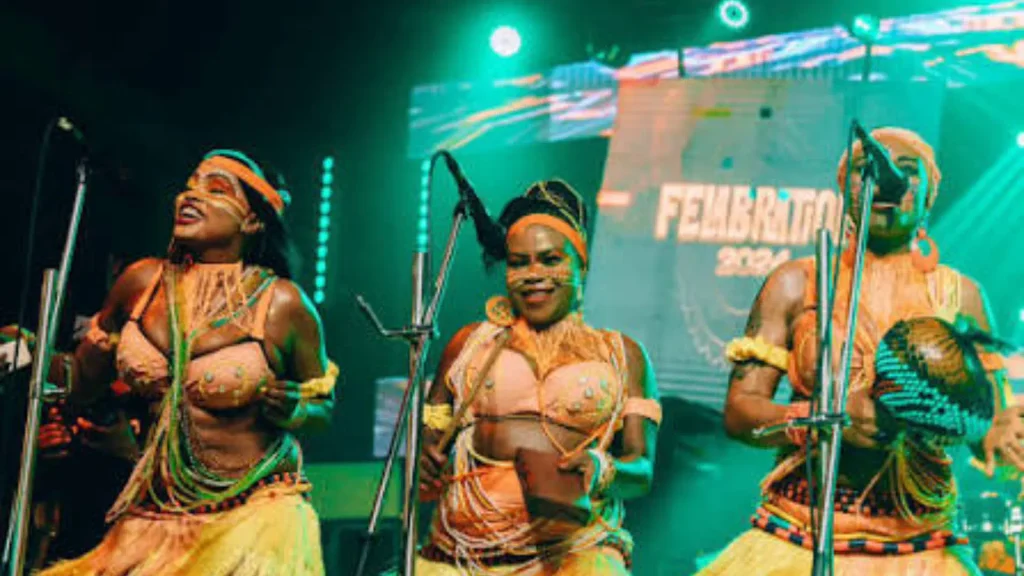
The 2026 Ekiti State Festival of Arts and Culture, known as EKIFEST, is underway in southwestern Nigeria, bringing together traditional performances, competitions and creative activities in a five-day programme aimed at showcasing the cultural heritage of Ekiti State.
The festival opened on Tuesday, Aug. 11, in Ado-Ekiti and is scheduled to continue until Aug. 15. According to the Ekiti State Government and Nigerian media reports, activities include cultural performances, traditional music and dance, visual arts, indigenous fashion and cuisine, traditional wrestling and other indigenous games.
Ahead of the formal opening at Fajuyi Pavilion, cultural contingents drawn from Ekiti’s 16 local government areas, Local Council Development Areas and other communities took part in a procession through Ado-Ekiti, the state government said.
The festival provides a platform for communities across the state to present cultural practices alongside contemporary creative work. Organisers have also placed particular emphasis on competitions and talent development, positioning the programme at the intersection of cultural preservation and Nigeria’s expanding creative sector.
Opening the festival, Ekiti State Governor Biodun Oyebanji linked investment in arts and culture with employment, enterprise and economic diversification. He was represented at the event by Deputy Governor Monisade Afuye, according to the state government.
The governor said the state intends to strengthen its position in cultural tourism and the creative economy, while encouraging young people to translate artistic and creative skills into businesses and employment opportunities. The comments reflect a broader effort by the state administration to treat culture not only as heritage but also as an economic sector.
The Commissioner for Arts, Culture and Creative Economy, Rasaki Ojo Bakare, said the festival would feature cultural parades, performances, traditional competitions and talent showcases representing the cultural diversity of Ekiti communities. The state government also described cultural transmission between generations as one of the purposes of the programme.
Pre-festival briefings reported that traditional music and dance, visual arts, indigenous fashion, traditional cuisine, wrestling and local games would form part of this year’s programme. According to The Sun Nigeria, the five-day event was designed to combine heritage, creative expression and talent development.
The festival also places young participants prominently within its programme. The Guardian Nigeria reported before the opening that communities and local government areas would participate in creative activities and competitions intended to provide young people with opportunities to demonstrate their skills.
Nigeria’s cultural economy encompasses a wide range of fields, from music, film and fashion to performance, visual arts, heritage activities and festivals. At state level, events such as EKIFEST offer governments and cultural institutions an opportunity to connect community-based traditions with newer forms of artistic production.
That connection is particularly visible in the range of activities announced for this year’s edition. Traditional performance and indigenous games sit alongside fashion, visual art and other creative disciplines, broadening the festival beyond a conventional ceremonial gathering.
Tuesday’s opening also featured veteran Yoruba actor Dele Odule and his cultural troupe, according to the Ekiti State Government. Representatives of several other Nigerian cultural communities, including Igbo, Ibibio, Idoma, Tiv and Bassa groups, were also listed among participants at the opening event.
The presence of groups from beyond Ekiti gives the festival a wider intercultural dimension while retaining its central focus on Ekiti heritage. State officials have described cultural exchange, social cohesion and transmission of traditions to younger generations as among the objectives of the annual programme.
EKIFEST comes during a busy period for cultural events across Nigeria. Communities in Anambra State are preparing New Yam festivals throughout August and September, while Cross River State has scheduled the 2026 Leboku International New Yam Festival for Aug. 24 in Ugep. Lagos will host the Janggu Festival from Aug. 20 to 22, bringing Nigerian and Korean percussion traditions together in a programme of workshops and performances.
With EKIFEST continuing through Saturday, attention in Ado-Ekiti now turns to the remaining cultural competitions, performances and community presentations planned over the coming days.

Shaping Multipolar Order: SCO Expands Strategic Role on 25th Anniversary