
Owo Kingdom in Ondo State is preparing for the 2026 Igogo Festival, with a newly published programme setting out almost a month of traditional processions, royal ceremonies, competitions and community gatherings centred on one of southwestern Nigeria’s longest-running cultural traditions.
According to the festival’s official consolidated timetable, activities will open on August 30 with the first Upeli procession, beginning at Arigidi Uloro and proceeding to the Olowo’s Palace. Further processions and ceremonies will continue through September, culminating in the Ogwa Lopo gathering at the palace on September 26.
The programme includes additional Upeli processions on September 3 and 7, Utegi and Uyanna ceremonies on September 11, traditional wrestling competitions, royal observances, women’s ceremonies, hairdressing contests and a series of community games. The Olowo of Owo, Oba Ajibade Gbadegesin Ogunoye III, is scheduled to take part in the principal Igogo celebration on September 16.
The annual festival is held in Owo, an ancient Yoruba kingdom in present-day Ondo State, and commemorates Queen Oronsen, a figure associated with the reign of an early Olowo of Owo. Festival organisers and Nigerian media describe the tradition as more than 600 years old.
According to Owo oral tradition, Oronsen was a wife of Olowo Rerengejen whose departure from the palace became central to the community’s historical memory. Accounts of the story vary in their details, but the annual observance has developed into an important expression of Owo identity and royal tradition.
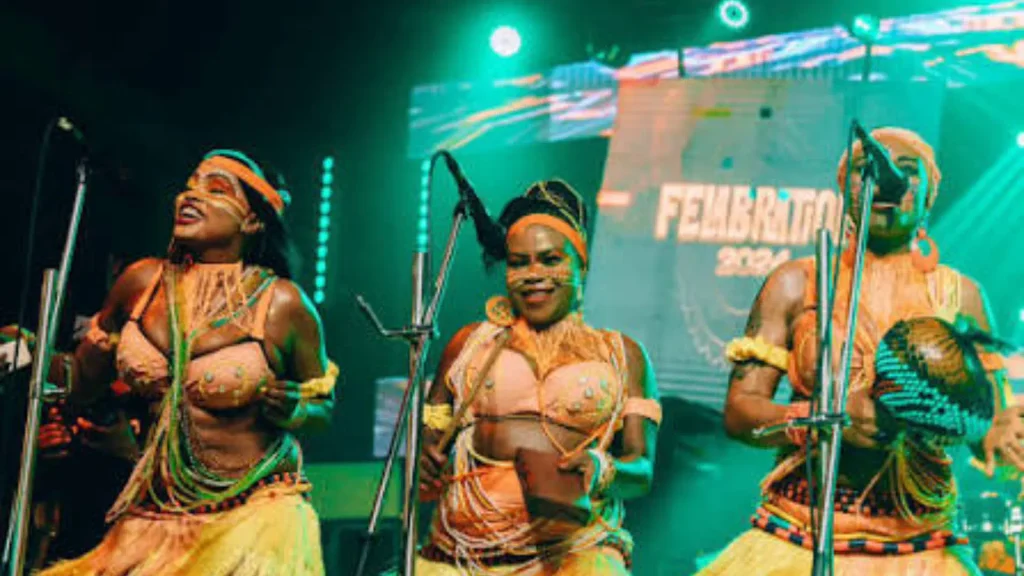
One of the festival’s most distinctive practices is the temporary replacement of traditional drums with metal gongs during key ritual periods. Nigerian media accounts of the festival’s customs note that drumming and gunshots are traditionally restricted while metal gongs provide the ceremonial rhythm associated with Igogo observances.
Royal dress is another notable feature. During traditional ceremonies, the Olowo and participating chiefs appear in elaborate coral beads and ceremonial attire associated with the remembrance of Oronsen. Such practices distinguish Igogo from many other Yoruba festivals and remain an important part of its visual and ritual identity.
The 2026 programme combines those older royal and religious traditions with newer public activities. The schedule includes the Olowo’s Cup football final, wrestling, hairdressing, table tennis, Scrabble, Monopoly and chess competitions, as well as the Miss Oronshen pageant. Organisers have also opened participation in Ogwa Lopo, a palace gathering where registered clubs, associations and community groups pay homage to the Olowo through coordinated traditional dress and dance.
The expansion of public programming comes as organisers seek to raise the profile of the festival while retaining the traditional rites at the centre of the celebration. At a briefing earlier this year, members of the planning committee said the 2026 edition would place greater emphasis on cultural tourism.
Ondo State also identifies the Igogo Festival as one of its major cultural attractions, alongside the Orosun, Ogun and Egungun festivals celebrated in different parts of the state.
The 2026 timetable comes during Nigeria’s busy late-summer cultural season. Across the country, August and September traditionally bring a series of harvest, royal and religious festivals, including New Yam celebrations in southeastern communities and the Sango Festival in Oyo. UNESCO inscribed the Sango Festival on its Representative List of the Intangible Cultural Heritage of Humanity in 2023.
For Owo, however, Igogo remains closely tied to local memory, kingship and community identity. With processions beginning in late August and major royal ceremonies scheduled throughout September, the 2026 edition will again bring together ritual tradition and contemporary public celebration in the historic Ondo town.

Shaping Multipolar Order: SCO Expands Strategic Role on 25th Anniversary