
Communities across southwestern Nigeria are preparing to mark Isese Day on Thursday, an annual observance associated with Yoruba traditional religion and indigenous cultural practices.
The event, held each year on Aug. 20, has gained greater official recognition in parts of the region over the past decade, with several state governments declaring work-free days or formally recognising the occasion.
In Ogun State, the House of Assembly adopted a motion in 2023 supporting the designation of Aug. 20 as Isese Cultural Day.
Osun State was among the first in the region to formally recognise the observance. In 2013, the state government declared Aug. 20 a public holiday for traditional religion practitioners, saying the move was intended to give different religious communities comparable opportunities to observe their beliefs.
Lagos and Oyo states have also declared work-free days in connection with Isese Day in recent years.
The word “Isese” is commonly used to refer to tradition in Yoruba, although beliefs and practices vary widely between communities and religious groups.
For practitioners of Yoruba traditional religion, Isese Day can include prayers, community gatherings and ceremonies linked to their respective beliefs.
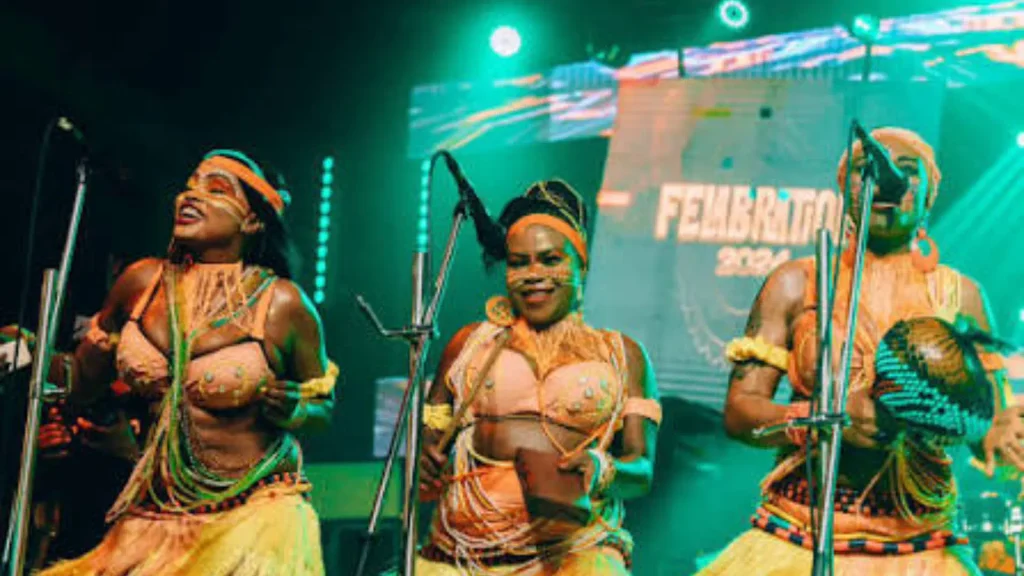
Public celebrations may also feature lectures, music, dancing, processions and traditional clothing.
There is no single form of observance. Practices can differ according to location, religious tradition and local custom.
The growing recognition of Isese Day has also brought renewed attention to the place of indigenous religions in Nigerian public life.
Christianity and Islam are the country’s dominant religions, while traditional belief systems continue to be practised in parts of the country, including among Yoruba communities in the southwest.
State governments that have supported Isese Day have often described the observance as part of efforts to preserve Yoruba culture and promote religious inclusion.
The growing public profile of the event has, however, also led to tensions in some areas.
In 2023, plans for an Isese celebration in Ilorin, Kwara State, drew opposition from some Muslim leaders. Police later advised organisers to relocate the event because of security concerns.
The dispute highlighted religious sensitivities in communities where different faiths and cultural traditions share the same public space.




Shaping Multipolar Order: SCO Expands Strategic Role on 25th Anniversary