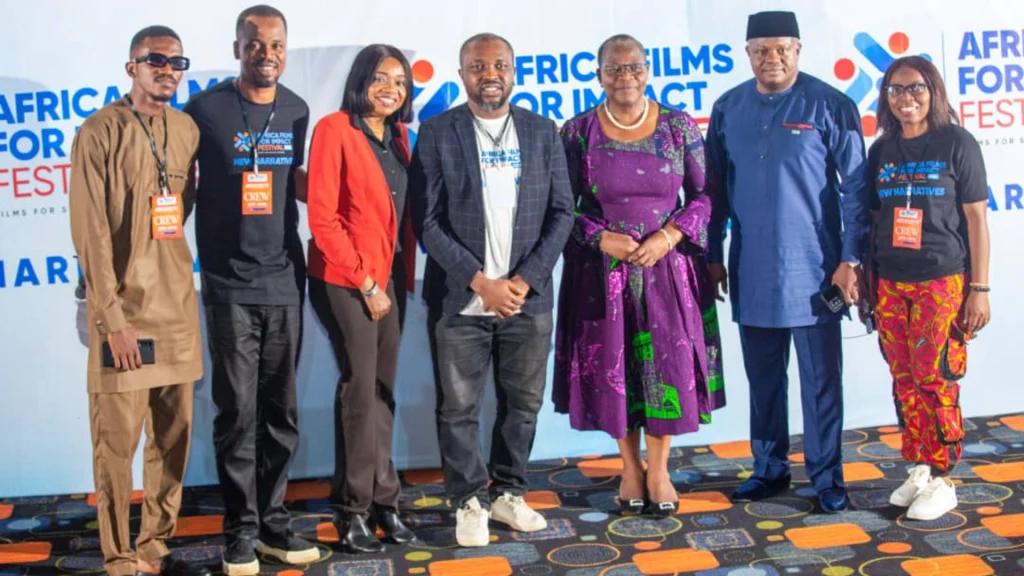
The Abia International Film Festival (ABIFF) is set to return to Umuahia in October for its third edition, bringing together filmmakers, actors and industry professionals for four days of screenings, training and cultural events.
Held under the theme “Bigger Vision, Global Impact,” the 2026 festival will combine international cinema with talent development and showcases of Igbo culture and Abia’s heritage.
The festival is organised by Alexander Philips Elekwa, Founder and President of the Abia International Film Festival, in collaboration with the Abia State Government, the Nigerian Film Festivals Association (NFFA) and the Abia Film Makers Association (AFMA).
Launched in 2024, ABIFF was established as a platform for African storytelling, emerging filmmakers and professional exchange within the film industry.
Organisers said the 2025 edition received 1,243 film submissions from 155 countries, reflecting the festival’s expanding international reach.
The 2026 programme is expected to feature selected Nigerian and international films alongside masterclasses in acting, directing, screenwriting and film technology. Industry panel discussions, cultural exhibitions and the ABIFF awards will also form part of the four-day event.
Beyond film screenings, the festival will highlight Igbo culture and Abia’s heritage through traditional music, cuisine, storytelling and cultural activities, connecting contemporary filmmaking with the region’s cultural identity.
Youth development will also be a major part of the programme, with training planned in cinematography, editing, sound production, acting and screenwriting.
Elekwa said the festival aims to strengthen local capacity while expanding connections between filmmakers in Abia and the wider international industry.
“We envision a festival that expands its global reach, attracts more international collaborations, strengthens local capacity and creates sustainable opportunities for our youth,” he said.
He said practical film training could help young participants develop skills for employment, self-employment and wider participation in Nigeria’s creative industries.
Nigeria’s film industry, widely known as Nollywood, has developed into one of the country’s most internationally recognised cultural industries, creating opportunities across acting, production, directing, writing, editing and other technical fields.
Kate Ezeigbo, National Chair of the Nigerian Film Festivals Association, said film festivals could help locally produced films reach wider audiences while connecting emerging filmmakers with professionals and industry networks.
She called on stakeholders in Nigeria’s film sector, particularly in the South-East and South-South regions, to support initiatives that create opportunities for young filmmakers and strengthen regional participation in the industry.
As ABIFF enters its third edition, organisers are seeking to broaden its international profile while maintaining a strong focus on local culture and the development of the next generation of filmmakers in Abia State.